

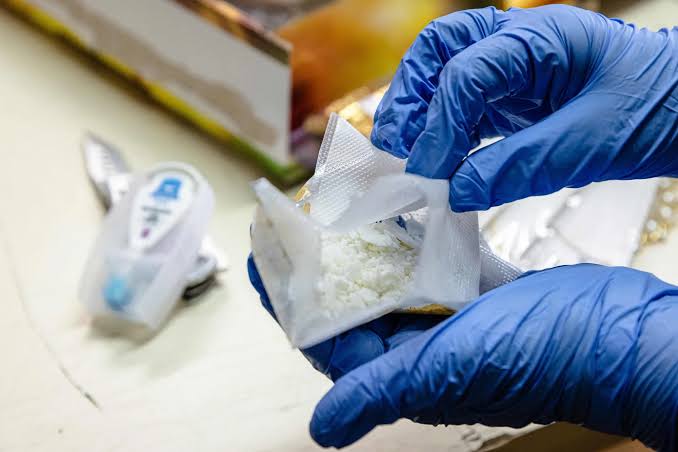
China White heroin is a street name associated with certain illicit opioid substances. The term has historically been used for highly potent heroin, but its meaning can vary between locations and drug markets. Products sold under this name may contain heroin, fentanyl, or other synthetic opioids, making their composition and strength difficult to determine.
Because opioids affect the central nervous system and can suppress breathing, exposure can result in serious health complications, dependence, and potentially fatal overdose. Understanding the effects, warning signs, and available addiction treatment options is important for recognizing the dangers and seeking professional support.
What Is China White Heroin?
China White is a street term that has been associated with different illicit opioid products. Although it has historically referred to a particular type of heroin, the name does not guarantee a specific chemical composition.
Some substances marketed under this name may contain synthetic opioids, including fentanyl or related compounds.
Heroin is an opioid derived from morphine. It acts on opioid receptors in the brain and nervous system, influencing pain perception, pleasure, and breathing.
Because illicit products are not manufactured under pharmaceutical quality standards, their contents and potency can be unpredictable. Learning about the long-term health dangers of crack cocaine supports informed prevention and recovery decisions.
Short-Term Effects of China White Heroin
Heroin and other powerful opioids can produce several immediate physical and psychological effects. Responsible educational content about buy peruvian cocaine should focus on health risks rather than illegal purchasing.
Common effects may include:
- Feelings of euphoria
- Pain relief
- Drowsiness
- Relaxation
- Reduced awareness
- Nausea and vomiting
- Itching
- Constipation
- Slowed breathing
- Reduced heart rate
The intensity of these effects depends on the substance involved, individual health, and whether other medications or drugs are present.
Major Health Risks of China White Heroin
Illicit opioid exposure can create serious health complications, particularly when the product contains highly potent synthetic opioids. Reliable information about blue crystal meth supports addiction prevention and informed recovery decisions.
1. Respiratory Depression
One of the most dangerous effects of opioids is respiratory depression.
Opioids can slow the activity of the brain areas responsible for controlling breathing. In severe cases, breathing may become dangerously slow or stop completely.
This can result in oxygen deprivation, permanent brain damage, or death.
2. Cardiovascular Complications
Severe opioid intoxication can affect cardiovascular function, particularly when accompanied by respiratory depression and reduced oxygen levels.
Potential complications include low blood pressure, abnormal heart rhythms, and cardiac arrest.
3. Brain and Nervous System Damage
When opioid overdose causes insufficient oxygen to reach the brain, serious neurological complications can occur.
These may include memory problems, impaired cognitive function, permanent brain injury, and loss of consciousness.
4. Infectious Diseases
People who inject illicit opioids may face additional risks associated with unsafe injection practices. Learning about ephedrine hcl supports safer medication decisions and better awareness of potential health risks.
Potential complications include:
- Hepatitis B
- Hepatitis C
- HIV infection
- Skin and soft-tissue infections
- Bloodstream infections
- Endocarditis
Medical screening and appropriate harm-reduction services can help reduce these risks. Responsible content about buy amphetamine online should prioritize safety, prevention, and treatment information.
5. Psychological and Emotional Effects
Repeated opioid use can affect emotional well-being and everyday functioning.
Some individuals may experience depression, anxiety, social isolation, reduced motivation, and difficulties maintaining relationships or employment.
Signs of Heroin Dependence and Addiction
Repeated opioid exposure can lead to physical dependence and opioid use disorder.
Possible warning signs include:
- Strong cravings
- Difficulty controlling opioid use
- Increasing tolerance
- Withdrawal symptoms when stopping
- Neglecting work or family responsibilities
- Spending significant time obtaining or using opioids
- Continuing use despite serious health problems
- Repeated unsuccessful attempts to quit
Opioid use disorder is a treatable medical condition. Professional assessment can help determine the severity of the problem and identify appropriate treatment options.
China White Heroin Withdrawal Symptoms
When someone with physical opioid dependence reduces or stops using opioids, withdrawal symptoms may develop.
Common symptoms include:
- Muscle and bone pain
- Sweating
- Restlessness
- Anxiety
- Insomnia
- Nausea and vomiting
- Diarrhea
- Abdominal cramps
- Runny nose
- Increased heart rate
- Strong cravings
Although opioid withdrawal is often not directly life-threatening in otherwise healthy adults, complications such as dehydration can occur. Withdrawal can also increase overdose risk if someone returns to opioid use after tolerance has decreased. Responsible information about buy mdma should focus on health risks and professional treatment options.
Professional medical support can make the recovery process safer and more manageable.
Heroin Overdose Warning Signs
An opioid overdose is a medical emergency. The risk may be particularly high when illicit heroin contains fentanyl or other potent synthetic opioids.
Important warning signs include:
- Very slow or stopped breathing
- Unconsciousness
- Inability to wake the person
- Very small or pinpoint pupils
- Limp body
- Blue or grey lips and fingertips
- Gurgling or choking sounds
What to Do During a Suspected Opioid Overdose
Immediate action can save a person’s life.
- Contact emergency medical services immediately.
- Administer naloxone if available and follow its instructions.
- Provide rescue breathing or CPR if trained.
- If the person is breathing but unconscious, place them in the recovery position.
- Stay with the person until emergency professionals arrive.
Naloxone can temporarily reverse opioid overdose effects, including those caused by heroin and fentanyl. Additional medical treatment may still be necessary because overdose symptoms can return.
Addiction Treatment Options
Treatment for heroin and other opioid use disorders can be effective. A personalized treatment plan may combine medication, counseling, medical supervision, and ongoing recovery support. Reliable educational information about china white heroin supports overdose prevention and recovery awareness.
1. Medication-Assisted Treatment
Medications for opioid use disorder are an important part of evidence-based addiction treatment.
Common options include:
- Methadone: A medication that helps reduce opioid cravings and withdrawal symptoms.
- Buprenorphine: A medication that helps manage opioid dependence and reduce the risk of misuse.
- Naltrexone: An opioid antagonist that blocks opioid effects and can help prevent relapse in appropriately selected patients.
These medications require professional assessment and should be used according to an individualized treatment plan.
2. Behavioral Therapy
Behavioral therapy can help individuals understand the psychological and environmental factors contributing to opioid use. Professional support can help individuals address the consequences of repeated misuse involving ketamine crystals.
Cognitive behavioral therapy can support the development of healthier coping strategies, improved decision-making, and relapse-prevention skills.
3. Medical Detoxification
Medical detoxification may help people manage opioid withdrawal symptoms under professional supervision.
However, detoxification alone is generally insufficient treatment for opioid use disorder. Continuing with appropriate addiction treatment is important for reducing relapse and overdose risks. Professional medical guidance is important for anyone experiencing health problems associated with ketamine products mentioned in buy ketamine powder online searches.
4. Residential Rehabilitation
Residential treatment programs provide a structured environment for people who need intensive addiction support.
These programs may include medical assessments, counseling, behavioral therapy, recovery education, and continuing-care planning.
5. Long-Term Recovery Support
Recovery can involve ongoing medical appointments, counseling, peer-support groups, and assistance with rebuilding relationships and everyday responsibilities.
Continued support can help individuals maintain treatment progress and address challenges that arise during recovery.
Advantages of Professional Addiction Treatment
Seeking professional treatment can provide several important benefits:
- Reduced cravings: Appropriate medications can help manage opioid cravings.
- Withdrawal management: Medical support can make withdrawal more manageable.
- Lower overdose risk: Evidence-based treatment reduces the risk of fatal overdose.
- Mental-health support: Counseling can address depression, anxiety, and emotional difficulties.
- Improved daily functioning: Recovery support can help rebuild personal and professional responsibilities.
- Long-term stability: Continued treatment can support sustained recovery and improved quality of life.
Frequently Asked Questions
1. What is China White heroin?
China White is a street name historically associated with certain forms of heroin. Today, the term may refer to different illicit opioid products, including substances containing fentanyl or other synthetic opioids. Responsible discussions of ketamine nasal spray compounded products should prioritize evidence, regulatory information, and patient safety.
2. Is China White heroin stronger than regular heroin?
Its potency cannot be reliably determined from the name or appearance. Some products sold under this name may contain highly potent synthetic opioids, creating a serious overdose risk.
3. What are the common effects of China White heroin?
Possible effects include euphoria, relaxation, pain relief, drowsiness, nausea, reduced awareness, and slowed breathing.
4. Can China White heroin cause addiction?
Yes. Heroin and other powerful opioids can lead to physical dependence and opioid use disorder, particularly with repeated exposure.
5. What are the signs of heroin overdose?
Common warning signs include extremely slow breathing, unconsciousness, pinpoint pupils, limpness, and blue or grey lips. An overdose requires immediate emergency medical attention.
6. Can naloxone reverse a heroin overdose?
Yes. Naloxone can temporarily reverse opioid overdose effects, including those caused by heroin and fentanyl. Emergency medical assistance remains necessary even if the person becomes responsive.
7. What are the symptoms of heroin withdrawal?
Withdrawal symptoms may include muscle pain, sweating, anxiety, insomnia, nausea, vomiting, diarrhea, restlessness, and strong cravings.
8. Is heroin addiction treatable?
Yes. Opioid use disorder is treatable through evidence-based medications, behavioral therapy, medical support, and ongoing recovery services.
9. Which medications are used to treat heroin addiction?
Methadone, buprenorphine, and naltrexone are established medications used in the treatment of opioid use disorder. The appropriate option depends on individual medical circumstances.
10. Can someone recover from heroin addiction?
Yes. Many people achieve long-term recovery with appropriate treatment and continued support. Recovery may involve medication, counseling, medical care, and assistance with rebuilding everyday life.
Conclusion
China White heroin is an unpredictable illicit opioid product associated with serious health risks, including respiratory depression, brain injury, physical dependence, and potentially fatal overdose. Its actual composition cannot be established by its street name or appearance.
Recognizing the warning signs of opioid addiction and overdose is essential for preventing serious harm. Evidence-based treatments, including methadone, buprenorphine, naltrexone, behavioral therapy, and ongoing professional support, can help individuals manage opioid dependence and work toward long-term recovery. Responsible information about black tar heroin should prioritize health education, prevention, and recovery options.
